
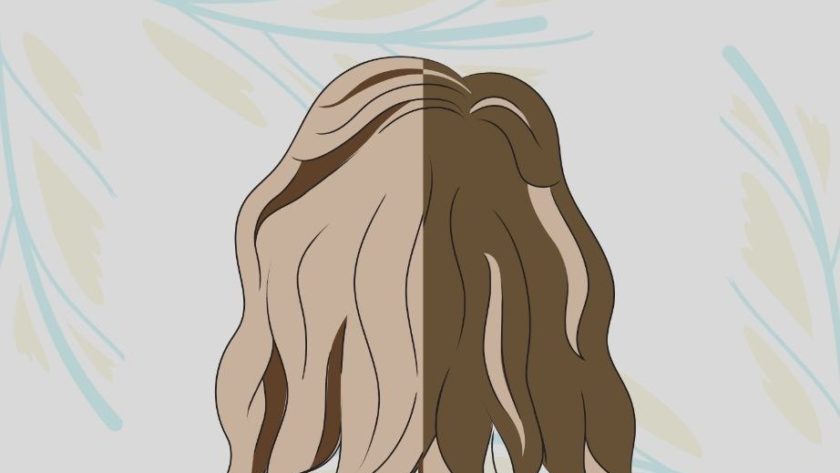
Hair coloring, or hair dyeing, is the practice of changing hair color. The main reasons for this are cosmetic: to cover the gray or white hair, to change to a color regarded as more fashionable or desirable, or to restore the original hair color after it has been discolored by hairdressing processes or sun bleaching.
Hair coloring can be done professionally by a hairdresser or independently at home. Today, hair coloring is very popular, with 75% of women and 18% of men living in the USA having reported using hair dye.
The four most common classifications of coloring hair are:
Balayage
Balayage is actually a French word meaning ‘sweeping,’ as in to sweep on a hair lightener to create highlights. Balayage is the technique of free-hand painting highlights onto the hair, creating a soft and natural gradation of lightness towards the ends. The result is the look of summers spent at the beach, or the fresh, unintentionally perfect highlights on a child. This natural-looking highlighting technique is not just for blondes, but is actually used on all shades of hair to add soft, sunkissed dimension.
Highlighting
Hair highlighting/lowlighting is changing a person’s hair color, using a lightener or haircolor to lift the level or brightness of hair strands. There are four basic types of highlights: foil highlights, hair painting, frosting, and chunking. Highlights can be any color, as long as it is a lighter level than the surrounding hair.
Highlighted hair can make the hair appear fuller. Therefore, it is sometimes recommended for people with thin and fine hair. It is also a recommended service for achieving better color balance with people that have at least 50% gray, and it also helps to diminish the line of demarcation once the new growth is showing from permanent hair color
Ombré
Ombré is another great option; the color is painted onto the ends of the hair. If a client decides they don’t want the color anymore, they can simply cut it off as it grows out.
Fancy color
If you want fancy hair but are no overwhelming push for you to have a full head of bright hair, but a color that can be hidden while at work or in professional settings.
Color blocking and ombré are two methods I use with my clients and recommend to those who are looking to dye their hair but might be a bit skeptical about judgment. Color blocking allows the color to be applied from roots to ends in a large streak.
Single color
Single color means bringing your entire head one or more shades lighter or darker. Going darker is easier, but going lighter may require full highlights or similar service.
The reason is a color can’t lift another color so if your hair was previously color-treated, the only way to go lighter is with highlights. You can make a significant change in one visit or do it over multiple to maintain optimal hair health while attaining your goal.